


Autumn is when next spring’s colour starts taking shape. If you are deciding which bulbs to tuck into borders or pots, DutchGrown™ has familiar favourites alongside varieties with a more distinctive look.
We have reviewed the UK store’s product information to make the choice easier. The useful questions are practical: what colours do you want, how much space can you give the flowers, and do you prefer a coordinated display or a mix that unfolds across the season?
Some links in this article are affiliate links: if you make a purchase through them, we may receive a small commission.
What you need to know: Tulip Mara suits a deliberate single-variety scheme, Daffodil Peach Prince brings a softer daffodil note, and Tulip Zebra Collection is the patterned option. Product pages are the place to confirm current availability, pack choices and the planting guidance for your garden.
Choose a spring mood
- Colour first: decide on one main tone before adding contrasting bulbs.
- Space second: estimate how many positions need filling, including containers.
A bulb order is a small act of planning ahead. The garden may still be carrying autumn leaves, but the colour decisions happen now: a clean sweep of one tulip, a few contrasting groups, or flowers that bridge the gap between early and later spring. DutchGrown™ is a family bulb and plant business whose heritage dates to 1882, and the range spans autumn and spring bulbs as well as bare-root perennials.
For this guide, we have kept the shortlist to three recognisable choices from the UK store: Tulip Mara, Daffodil Peach Prince and Tulip Zebra Collection. The product pages describe their own varieties; the best fit depends on the rest of your planting, not a claim that one bulb is universally better.
Three useful picks
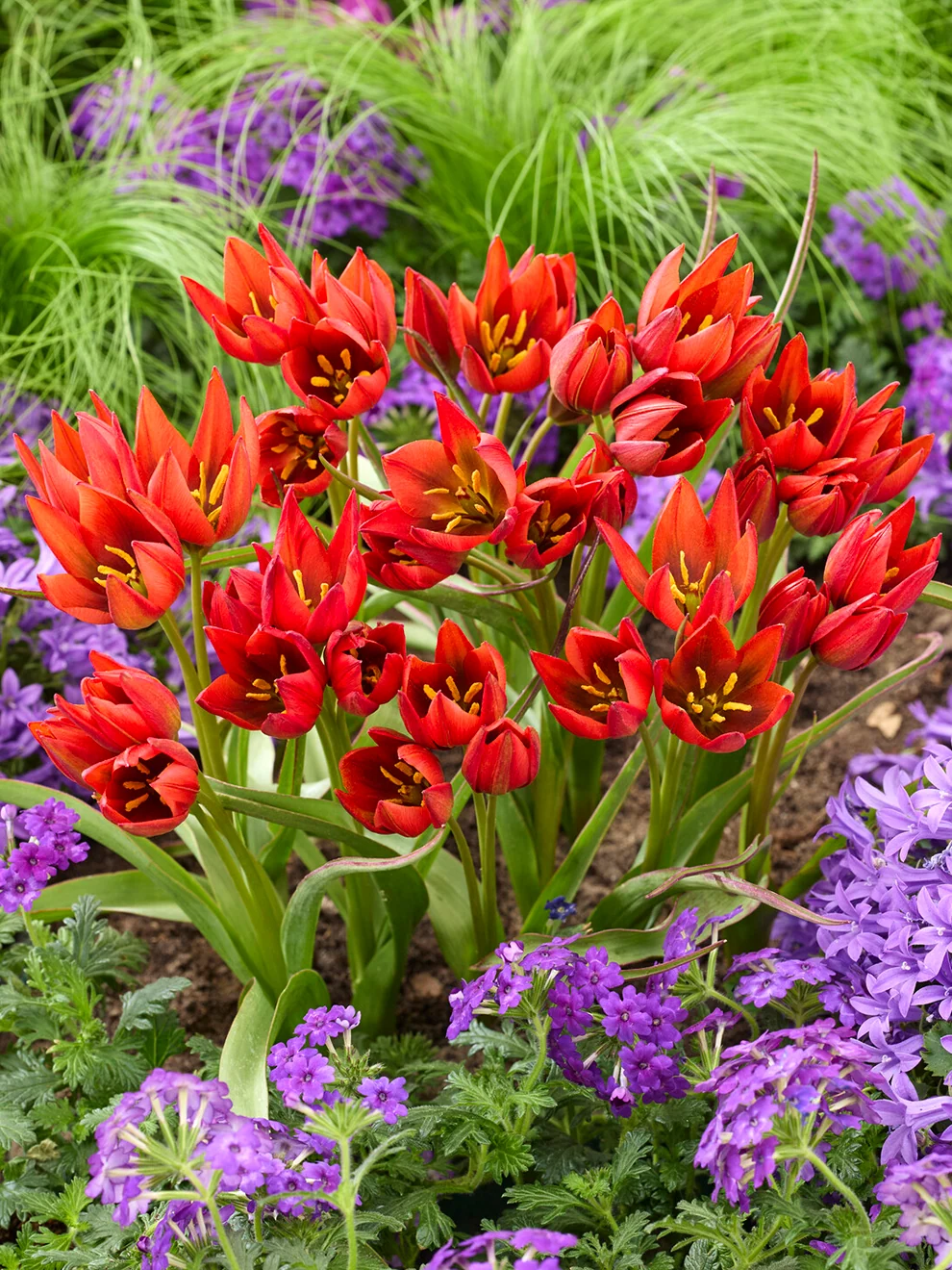
Tulip Mara is the straightforward choice if you want a named tulip variety to repeat through a border or group in pots. A single variety makes colour planning simpler and gives a more coherent look than a mixed selection. For current listing details, return to Tulip Mara. Check the product page for the current description and pack options before deciding how many planting spots to fill.
Daffodil Peach Prince gives the shortlist a different flower shape and a daffodil’s spring character. It can work as a counterpoint to tulips, especially if you want to avoid a bed that reads as one uninterrupted block of colour. Use the page’s flowering and planting notes to judge how it might sit beside what is already in the garden.
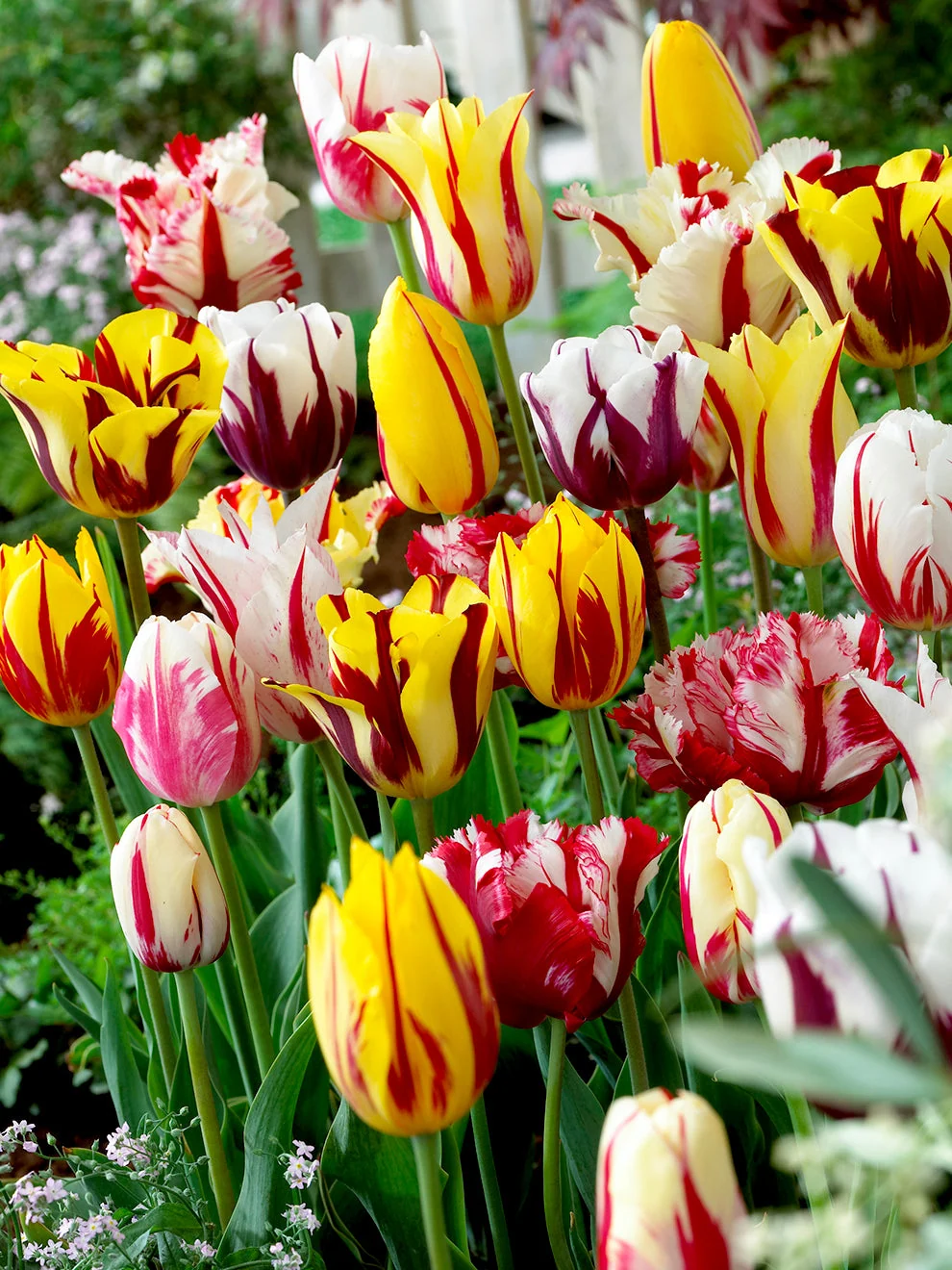
Tulip Zebra Collection is the expressive option for a planting scheme that welcomes visible markings. A patterned tulip can carry a small container or bring detail into a larger bed; check the Tulip Zebra Collection listing for the current description. It asks more of its neighbours: quieter foliage and simpler flowers will let the pattern register.

- For a tidy repeated line: choose one variety such as Tulip Mara and repeat it consistently.
- For contrast: combine tulips with Daffodil Peach Prince, then check flowering notes on both pages.
- For a focal point: give Tulip Zebra Collection a visible place rather than scattering it among many competing patterns.
- For pots: check the chosen page’s depth and spacing guidance and make sure the container drains freely.
Compare the shortlist
This quick comparison is about role in a planting plan. The product listings can change, so use the linked pages for current stock and the exact variety information before placing an order.
| Product | Best suited to | Planning note |
|---|---|---|
| Tulip Mara | A repeated tulip colour | Check page details and pack options |
| Daffodil Peach Prince | A daffodil accent | Pair with tulips for varied flower form |
| Tulip Zebra Collection | A patterned focal point | Keep nearby planting relatively simple |
Plan before planting
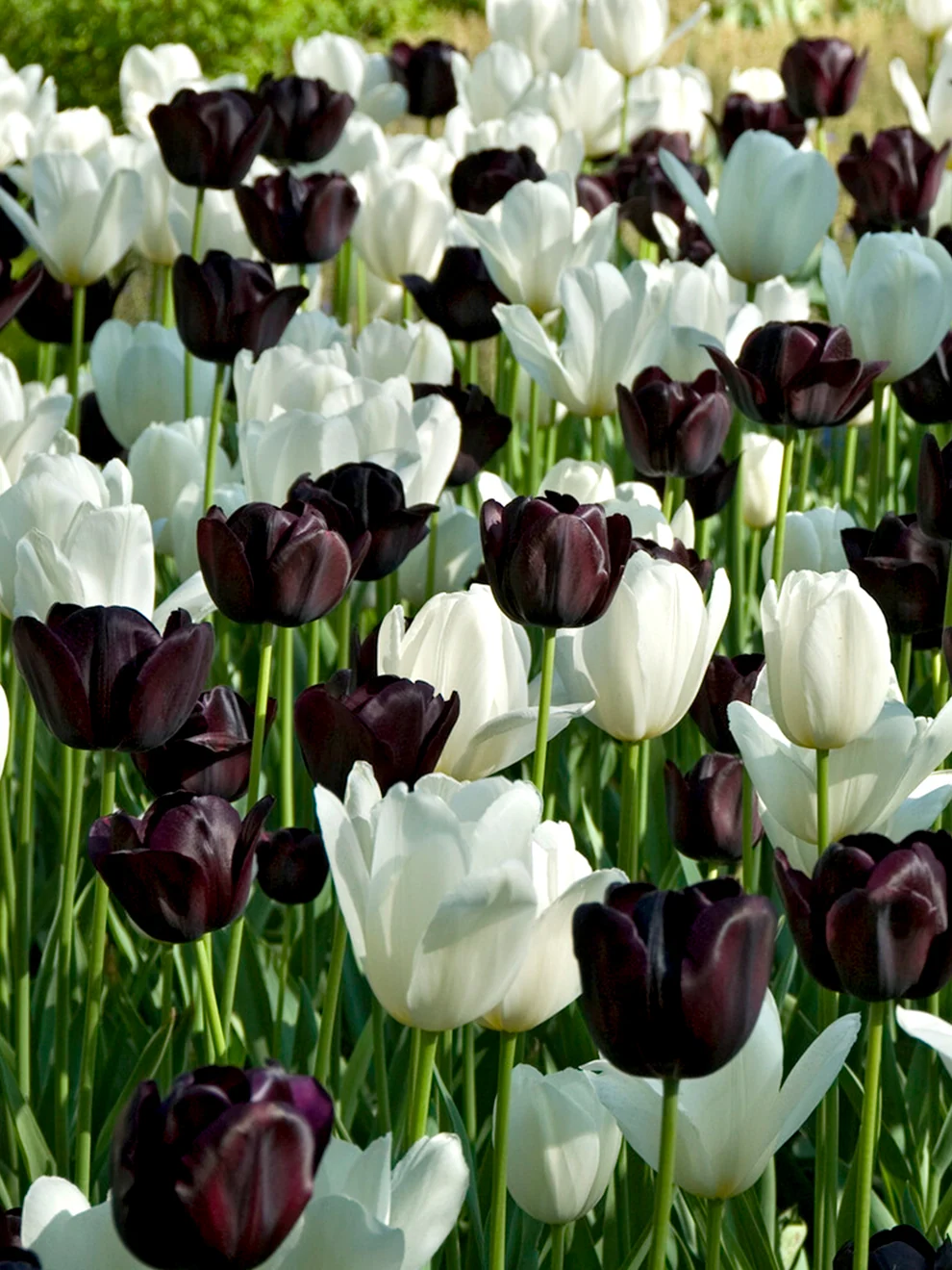
The most reliable buying decision begins with the site rather than the photograph. Product pages on the DutchGrown™ store give planting information such as position, flowering season and height for individual offerings. Use those details to fit bulbs around existing perennials, paths and the view from indoors. The shop also provides shipping schedule and grow guarantee information, which is useful context when planning an order.
- Map the space: note sunny and partly shaded areas, container dimensions and gaps in existing borders.
- Set a palette: decide whether you want repetition, contrast or one patterned focal point.
- Read the listing: confirm planting position, season and height for each selected product.
- Check order timing: review current availability and the store’s dispatch schedule before relying on a particular planting date.
Autumn planting is attractive because it moves the work out of the busy spring season, but the right timing can vary with the bulb type and local conditions. Avoid treating a general calendar as a guarantee. Follow the product-specific directions and keep the soil workable; waterlogged ground can be a poor setting for bulbs. In containers, drainage matters just as much as the display itself.
Make the budget work
- Compare pack sizes: match the order to the area you can plant.
- Prioritise repetition: a smaller repeated group often looks more intentional than scattered singles.
No fixed spend makes sense for every garden, and the store’s prices and pack choices may change. The cost of a bulb plan depends on how many planting positions you are filling, whether the product is sold in a particular pack size, and how much repetition you want. A small, repeated grouping can read as intentional; buying one of everything may create variety but also a less settled effect.
Before adding to basket, compare the current options on the Tulip Mara listing and consider whether you need enough bulbs to repeat the look. If the pattern is the main attraction, see the Tulip Zebra Collection details and plan a restrained companion planting. For a different flower form, the Daffodil Peach Prince page can help you check the available choices.
Questions gardeners ask
When should I order autumn bulbs?
Availability and dispatch can shift through the season. Check the UK store’s current product status and shipping schedule, then use the planting timing on each listing rather than assuming every bulb follows the same calendar.
Can these choices go in pots?
Container suitability depends on the variety and available depth. Read the relevant product details, choose a pot with drainage holes and leave enough room for the bulbs and their recommended spacing.
Should I mix tulips and daffodils?
They can make a varied display, but plan by flowering notes, height and colour. A defined grouping usually looks more deliberate than mixing bulbs without considering where each will emerge.
Where this leaves you
For a simple, coordinated spring plan, start with Tulip Mara. Choose Daffodil Peach Prince when a different flower form is the priority, or make Tulip Zebra Collection the feature if you like patterned blooms. DutchGrown™ offers a broad UK range and useful product-level planting information, but final fit still depends on your site and what is available when you order.
The limitation is that a product page cannot account for your soil, weather or the exact effect of neighbouring plants. Check the live listing, choose a manageable palette and follow the supplied planting guidance.
