


Autumn paddling can begin in mild sunshine and finish in wind, rain or colder water. The kit decision is less about dressing for the car park and more about staying comfortable and prepared once conditions shift.
Flow Kayaks sells boats and paddling equipment for kayaking, canoeing and stand-up paddleboarding. Its range includes technical clothing and buoyancy aids from specialist brands, so this guide focuses on three listings that illustrate different autumn needs: a touring top, a whitewater jacket and a touring PFD.
We based the recommendations on the products and features listed by Flow Kayaks. Check the current product pages for sizing, availability and price before choosing.
Some links in this article are affiliate links: if you make a purchase through them, we may receive a small commission.
What you need to know: For cooler, changeable days, choose layers around your likely exposure and paddling style: the Peak PS Tourlite Hoody is a three-season touring top, while the Palm Surge Jacket is a more weather-focused whitewater shell. Pair clothing decisions with a correctly fitted buoyancy aid such as the Peak PS Tourlite Zip PFD, and treat product descriptions as a starting point rather than a substitute for trip planning.
Start with exposure
Autumn changes the consequences of getting wet. A short sheltered paddle, a windy coastal crossing and a moving-water session do not call for the same clothing system. Water temperature, wind, distance from help, expected immersion and your group’s experience should shape the decision. A warm-looking day does not tell you whether the water will feel safe after a capsize.
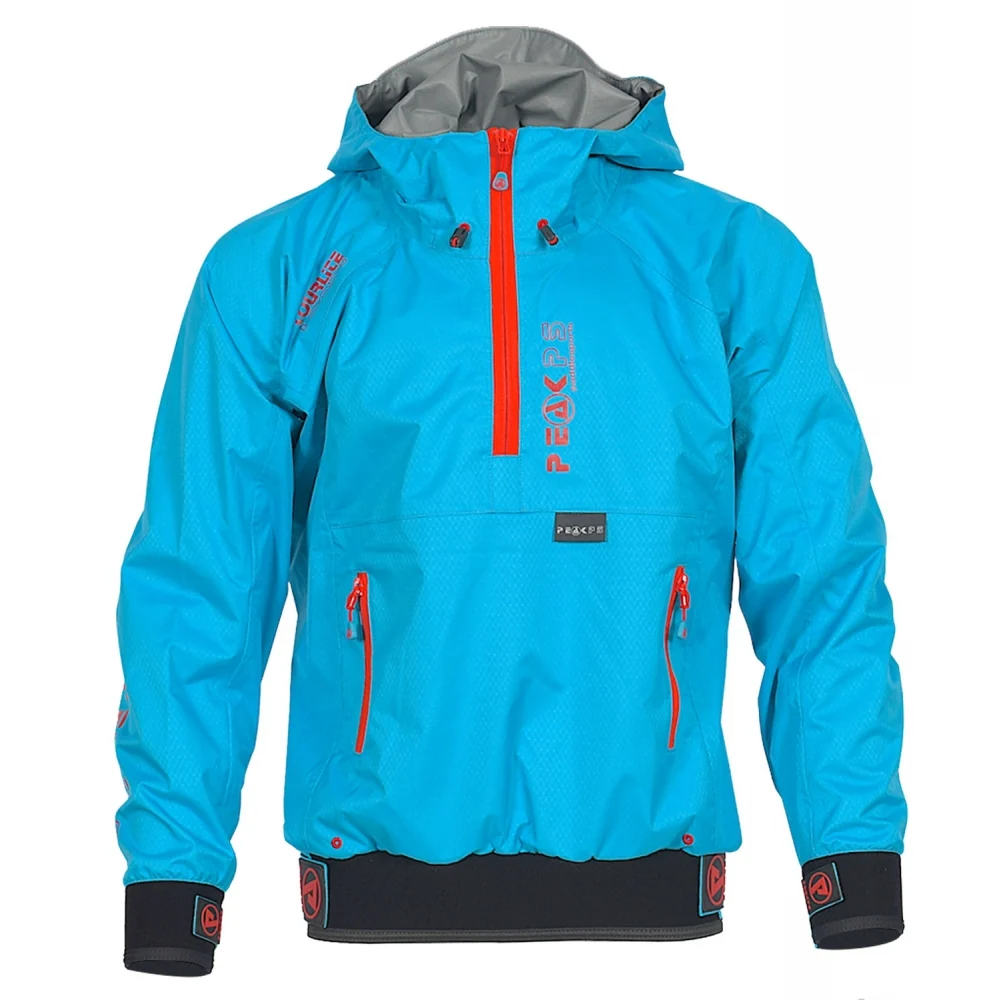
Think in layers rather than seeking one garment to solve every condition. A base layer manages contact with skin; an insulating layer adds warmth; an outer shell helps limit wind and spray. The Peak PS Tourlite Hoody is listed for three-season touring and sea kayaking, with a recycled polyester shell and Bioprene neoprene seals. It may suit paddlers looking for a close-fitting top for those disciplines, but it is not described as a substitute for a drysuit in cold immersion conditions.
Before leaving, check the forecast and local hazards, carry suitable spare clothing in a waterproof bag, and choose a route that matches the least experienced person. Flow Kayaks lists a range of kayaking clothing, but the right combination depends on the session, not the season label alone.
Three useful picks
- Touring and sea kayaking: compare the Peak PS Tourlite Hoody as a listed three-season top.
- Whitewater paddling: consider the Palm Surge Jacket if a shell with seals and spraydeck-compatible waist is the gap.
- Touring buoyancy: shortlist the Peak PS Tourlite Zip PFD, subject to a secure personal fit.
These product examples cover separate jobs, so they are not interchangeable. The table is a shortlist, not a complete kit prescription; follow the manufacturer’s sizing and use information on each listing.
| Product | Listed use and feature | Best suited to |
|---|---|---|
| Peak PS Tourlite Hoody | Three-season touring; recycled polyester shell and Bioprene seals | Touring and sea-kayak layering |
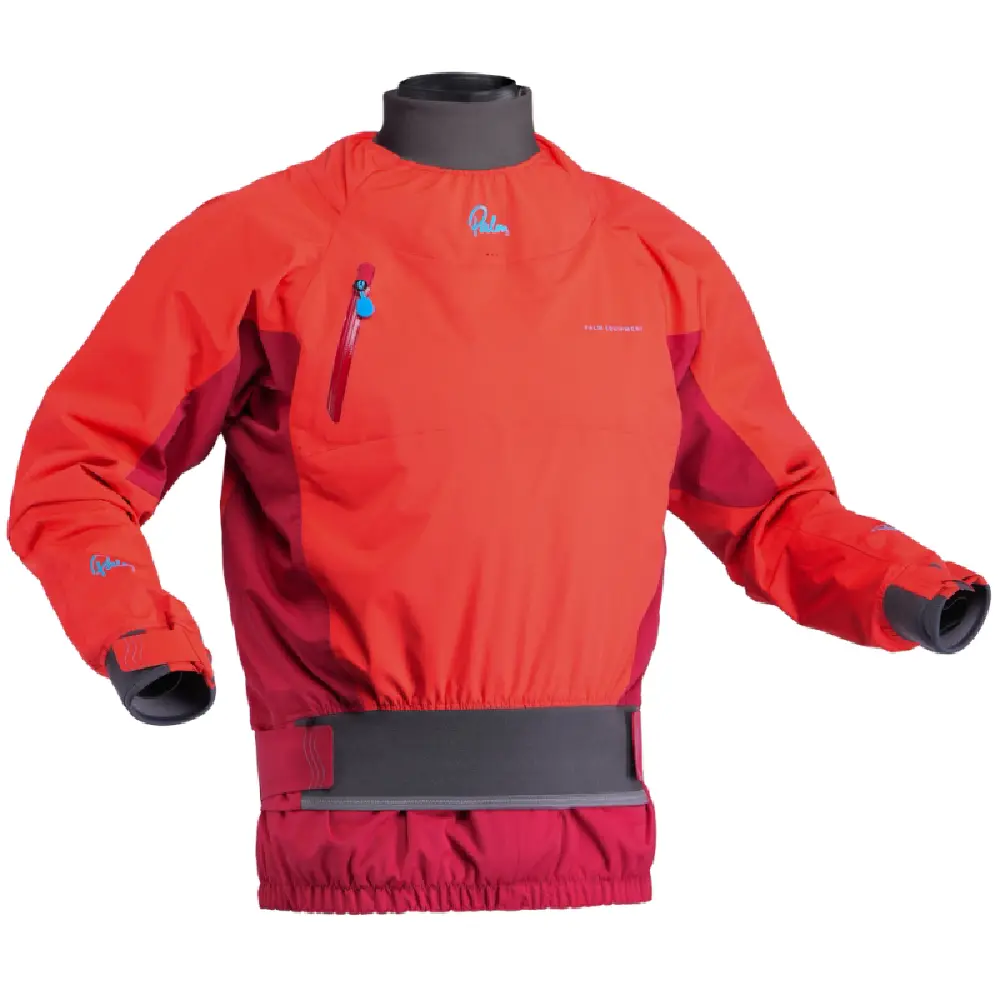
| Palm Surge Jacket | 2.5-layer recycled shell, latex seals and spraydeck-compatible twin waist | Whitewater sessions needing a shell |
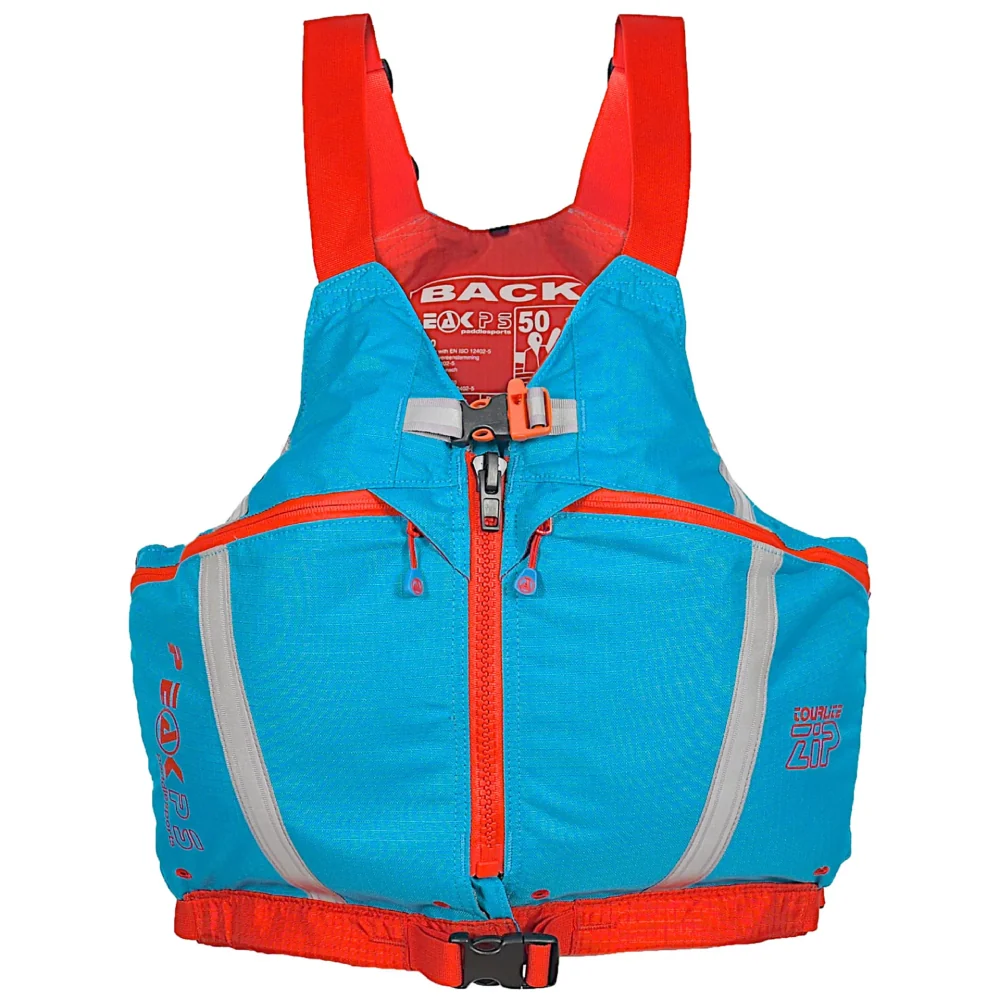
| Peak PS Tourlite Zip PFD | Front zip, adjustable sides and two chest pockets | Touring buoyancy aid shortlist |
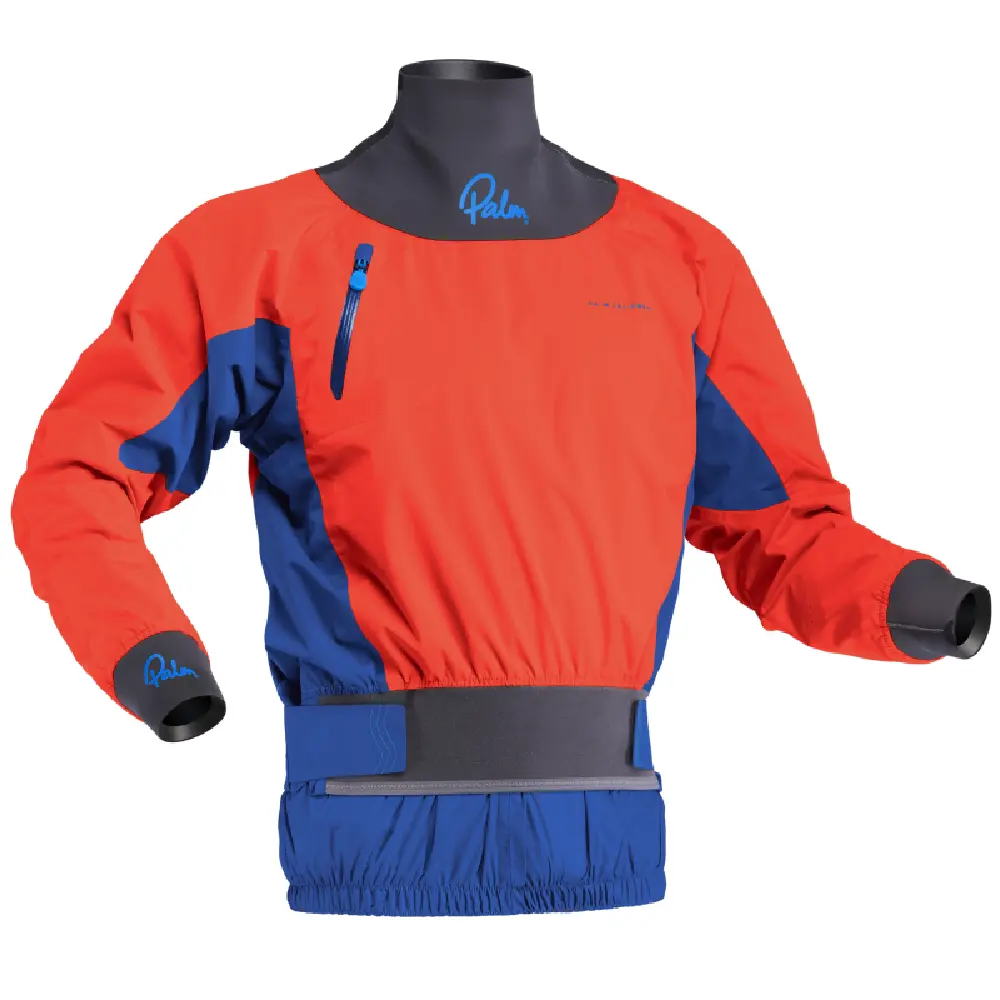
The Palm Surge Jacket is positioned for whitewater. Flow Kayaks lists a PFAS-free Seawastex XP 2.5-layer recycled fabric, latex seals protected by adjustable neoprene outers, and an adjustable twin waist intended to work with a spraydeck. The YKK AquaGuard chest pocket is a practical detail for small essentials. The trade-off is that a shell is only one layer; warmth and fit still depend on what goes underneath and how the waist works with your deck.
For touring, the Peak PS Tourlite Zip PFD listing specifies ISO 12402-5 approval, 60-80N flotation foam, a tough ripstop shell and two front pockets. It also describes an Olympic cut and adjustable sides. Those details help narrow the options, but fit is personal: try the adjustment range over the clothing you expect to wear and make sure the aid does not ride up or restrict movement.
Build a simple system
A useful buying order prevents a clothing purchase from distracting from essential safety decisions. Start with the conditions and your existing kit, then fill a specific gap.
- Define the session: note water temperature, wind, likely spray or immersion, duration and distance from shore.
- Check what you own: identify whether warmth, wind protection or a dry spare layer is missing.
- Choose for movement: compare cuffs, neck comfort, waist coverage and compatibility with your boat or spraydeck.
- Fit the buoyancy aid: check adjustment, mobility and access to any essentials you carry.
- Plan a backup: pack spare insulation and use a route and group plan appropriate to the forecast.
- For exposed trips, consider how wind and spray affect the whole body.
- For short sheltered outings, avoid buying technical layers that do not solve a real need.
- For colder or remote routes, review whether your training and rescue plan match the conditions.
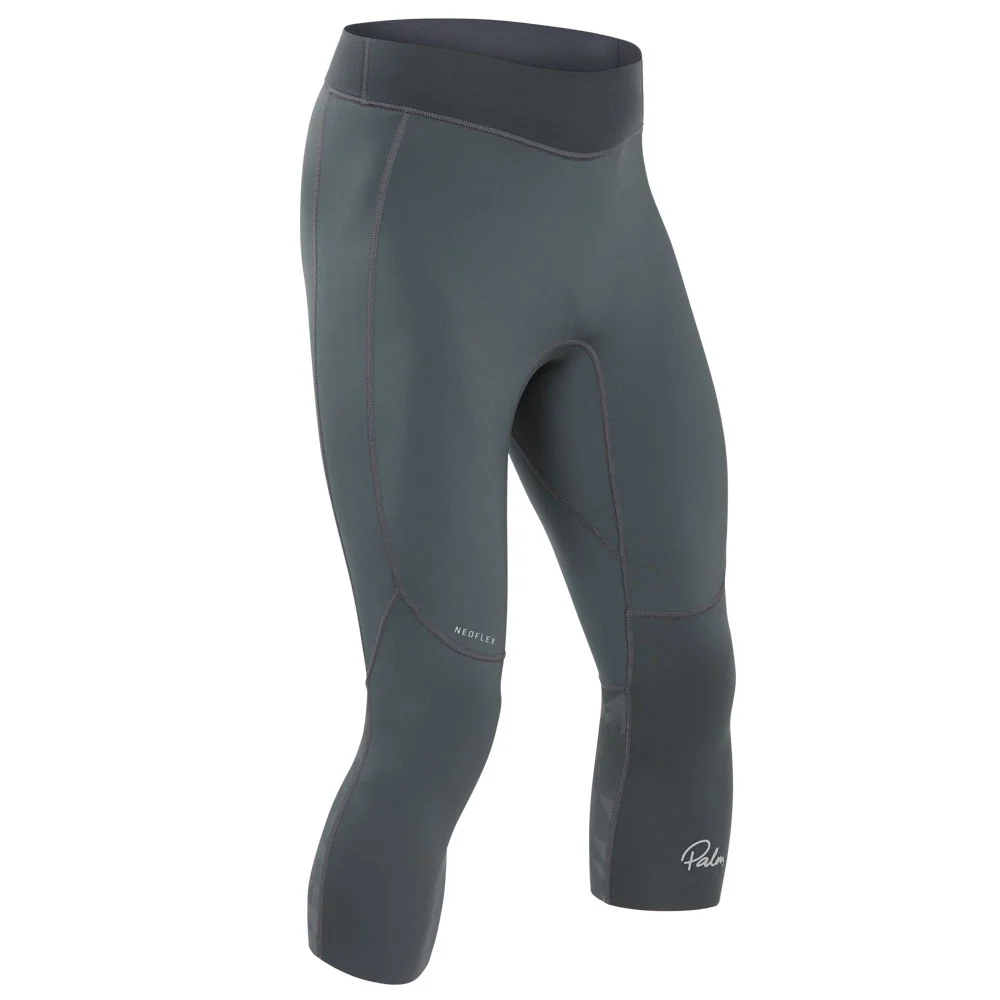
If the need is insulation under a shell rather than a shell itself, the Palm NeoFlex Leggings listing describes lightweight 0.5 mm limestone neoprene, a thermal lining and a high back waist. That makes them a possible lower-body layer for appropriate water activities, though the listing does not establish that they are adequate alone for cold-water immersion. Check the page for the full fit and care details before deciding.
As you compare paddling jackets, look closely at the intended discipline and the interface with your other equipment. A touring top, whitewater shell and full drysuit have different roles. If the weather, water temperature or rescue plan pushes beyond your experience, changing the route or postponing is a sound equipment choice too.
Price and fit checks
We have not included fixed prices because stock and listings can change. Cost usually reflects the garment’s construction, seals, fabric and intended use, while PFD choice also depends on fit, storage and approval details. Check current prices and availability on the store pages, and compare like with like rather than treating a heavier specification as automatically better.
- Confirm the size chart and the product’s intended fit.
- Check whether the garment is designed for touring, whitewater or another activity.
- For a PFD, read the approval and flotation details and test the adjustment over your layers.
- Review the store’s current delivery and returns terms before ordering.
- Check the garment’s care instructions and seal maintenance notes.
- Compare pocket placement with the equipment you carry on the water.
- Ask the retailer about compatibility if you use a particular spraydeck or layering combination.
For any purchase, read the current delivery and returns terms on the store and the individual listing. Conditions can vary by item, and checking them before ordering is especially useful for technical clothing where fit matters.
Questions paddlers ask
Is a paddling jacket enough for autumn?
Not by itself in every condition. A shell helps with wind and spray, but warmth, immersion protection, route choice and rescue capability matter too. Match the full clothing system to the water, forecast and group.
How should I choose a touring PFD?
Start with correct fit and movement, then consider the listing’s approval, adjustment range and pocket layout. The Peak PS Tourlite Zip PFD is one option to compare, but a product description cannot confirm how it fits your body.
What should I check before ordering?
Review the product’s sizing, stated activity, materials, current availability and returns terms. For technical kit, confirm that its use matches your paddling plan and ask the retailer for advice if a feature or fit point is unclear.
Where this leaves you
For touring and sea kayaking, the Peak PS Tourlite Hoody is the clearest seasonal layer example; for whitewater, the Palm Surge Jacket has more shell-specific features. Compare either with a properly fitted PFD such as the Peak PS Tourlite Zip PFD, and choose only what fills a real gap in your system.
The limitation is that no clothing listing can decide whether a particular day or route is safe. Autumn conditions vary quickly, so use local forecasts, suitable training and conservative trip planning alongside your kit choice.
