

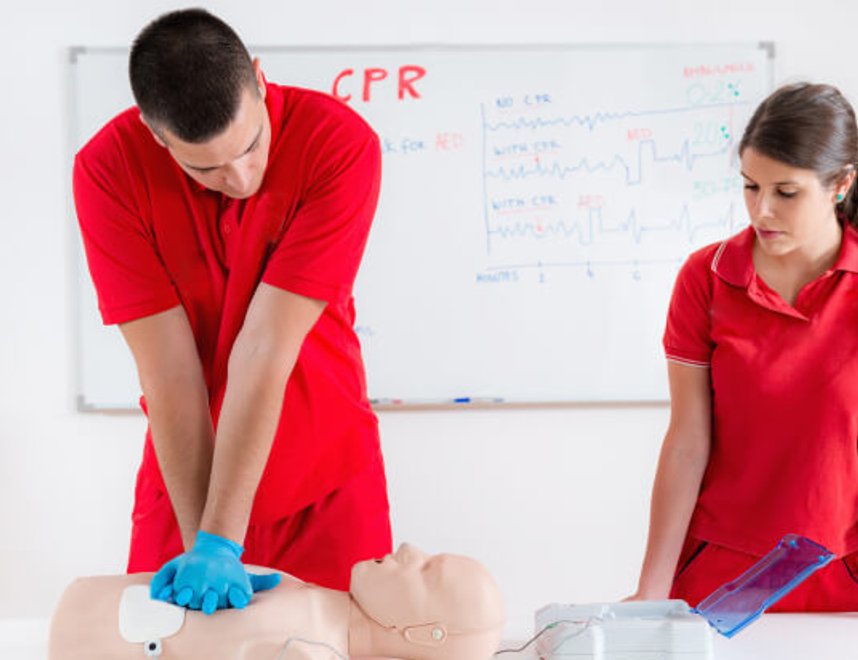
As fall turns toward winter, a CPR or first aid course may be on your planning list. The first decision is which credential path actually matches your role and deadline.
We reviewed the course information published by CPR AED Course, LLC to map the available online options to common reader needs. The site presents individual CPR, combined CPR and first aid, and advanced ACLS courses, with course details provided on their respective pages.
This guide focuses on selection rather than a promise that any online course will satisfy every employer, licensing body, or local requirement. Check the organization that requires your training before enrolling, especially if you need a specific credential or renewal.
Some links in this article are affiliate links: if you make a purchase through them, we may receive a small commission.
What you need to know: Choose the course according to the credential your role requires, then compare the course page details such as validity, duration, exam attempts, and card options. CPR and First Aid Certification covers two subjects, CPR Certification is narrower, and ACLS Certification is an advanced path for readers who specifically need ACLS.
Start with the requirement
The right course is the one that matches an external requirement, not simply the broadest title or the shortest description. Before comparing formats, check the wording from an employer, school, professional body, or volunteer organization. Ask whether it requires CPR alone, CPR with first aid, or an advanced course such as ACLS, and whether a particular delivery format or provider is named.
Seasonal planning is useful only insofar as it helps you meet your own deadline. It is not a reason to enroll in a course that does not fit. Confirm acceptance first, then use the published course page to assess the remaining details.

If your requirement is still unclear, contact the organization that will accept the credential before paying. A course listing can describe its own curriculum and options, but the accepting organization decides whether it meets its rules. Keep that confirmation alongside your training records.
Three course paths
The catalog offers distinct routes. The CPR and First Aid Certification combines CPR and first aid in one course path, which may suit readers who have both topics on their checklist. Its course page should be the reference for the included learning details and credential terms. Review the combined course details before deciding whether it covers the requirement you have.
The CPR Certification is the more focused option when the requirement names CPR without first aid. A narrower course can make comparison simpler, but it is not a substitute for first aid training if that is also required. Check the CPR Certification page for its listed duration, exam attempts, and validity information.

For readers who need advanced cardiovascular life support training, ACLS Certification is a separate course option. The name signals a different level and purpose from general CPR training, so it should be considered only where the role or credential requirement calls for ACLS. Read the ACLS course information and confirm acceptance with the relevant organization.
These are not interchangeable choices. Match the precise requirement first, then weigh the practical details that determine whether the course fits your schedule and documentation needs.
Compare the details
The provider says course pages list information including chapter counts, continuing education credits, validity, duration, exam attempts, and wallet card delivery or download options. Those details can vary by course, so confirm them on the page for the exact option you plan to take. The table is a starting point for that check, not a claim that every feature is identical across courses.
| Course | Best fit | What to verify |
|---|---|---|
| CPR and First Aid Certification | Both CPR and first aid are required | Included topics, validity, card options |
| CPR Certification | CPR training is the stated need | Duration, exam attempts, acceptance |
| ACLS Certification | A role specifically calls for ACLS | Eligibility, CE details, validity |

For an employer or volunteer group, compare the same fields for every learner. The site lists group training as an option, but the format and arrangements should be confirmed directly. A group may have different roles and credential needs, so avoid assuming one course will fit everyone.
- Sort learners by required credential.
- Ask the provider about group arrangements.
- Track completion records by person and deadline.
Plan around your calendar
The provider describes its courses as online and presents duration and exam information on course pages. Compare those listed details with the time you have available, and reserve enough time to complete the course before your deadline.
A sensible fall-to-winter checklist is straightforward:
- Check the deadline and credential wording with the accepting organization.
- Choose the matching course path: CPR, CPR plus first aid, or ACLS.
- Review duration, chapters, exam attempts, validity, and any CE details listed.
- Confirm how the wallet card can be downloaded, printed, or mailed.
- Leave time for completion and record keeping before the deadline.
For an individual learner, note three essentials before opening the enrollment page:
- The exact course name your organization accepts.
- Your deadline and time available for the listed course duration.
- The card format or continuing education record you need.
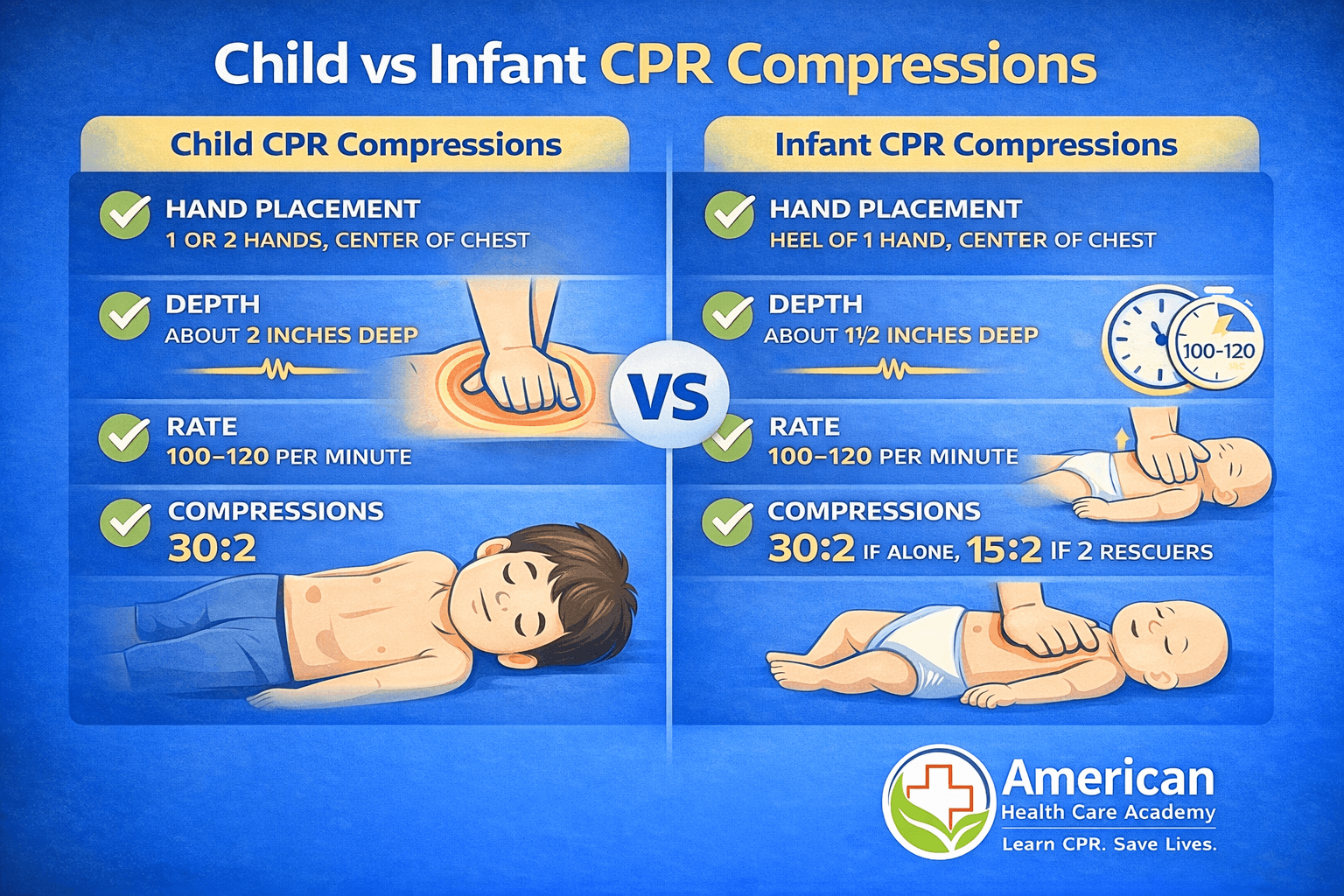
The combined CPR and first aid option may reduce the number of separate course choices when both topics are needed, while the CPR-only course keeps the focus narrower. For an ACLS-specific requirement, start with the advanced course page rather than assuming a general CPR course will count.
Read the course page
Before enrolling, look beyond the course title. Check the stated curriculum and credential language, whether continuing education credits are listed for your course, and how validity is described. If you need a wallet card, confirm whether the page offers download, print, or mail options and whether any choice affects your timing.
Also review exam attempts and the expected duration. Those practical details affect how much time to set aside, but they do not establish whether a course is accepted by your employer. Acceptance is the key check when the course is being taken to satisfy a workplace or professional requirement.
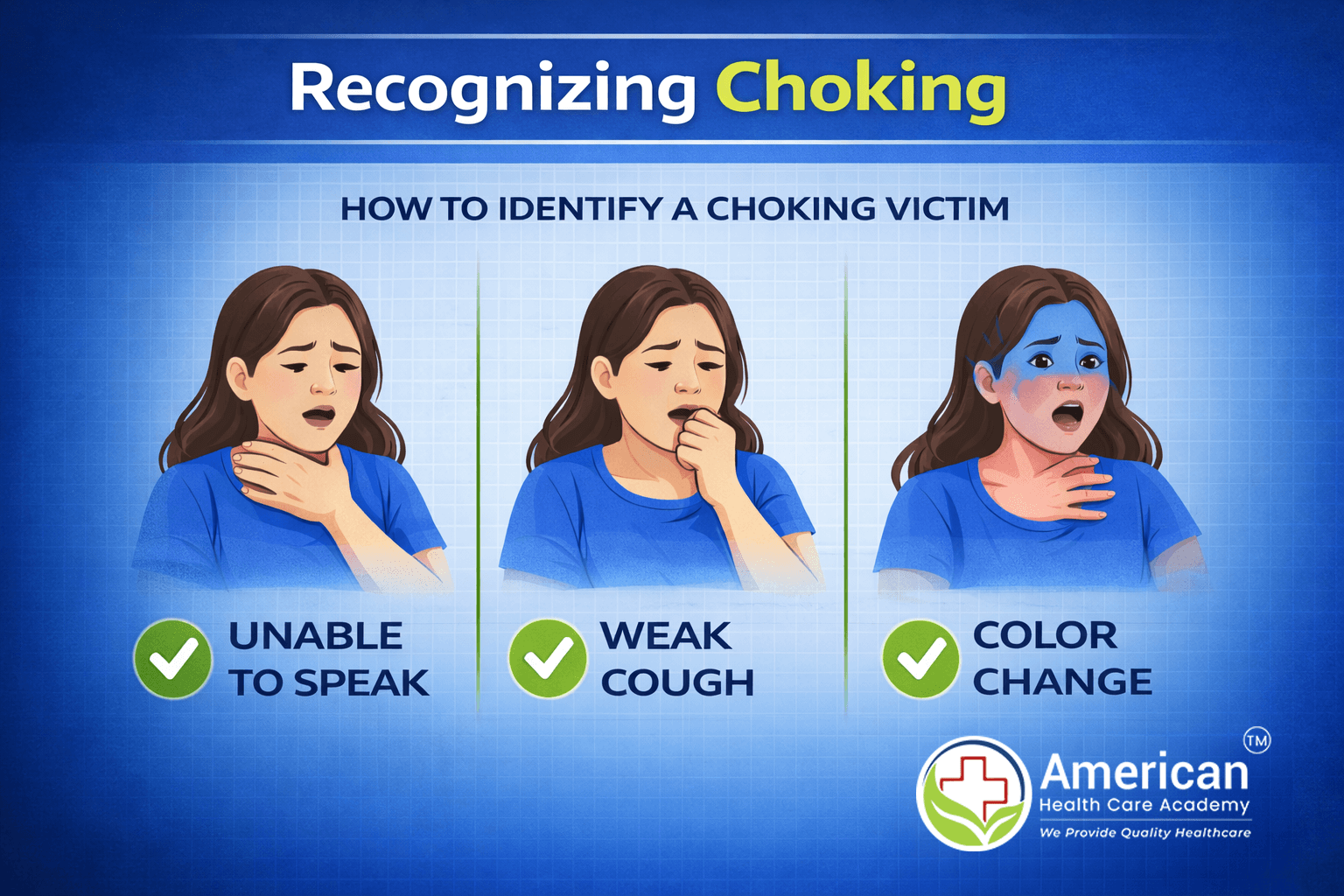
The illustrated sequence is a reminder to confirm the course content that matters for your requirement.
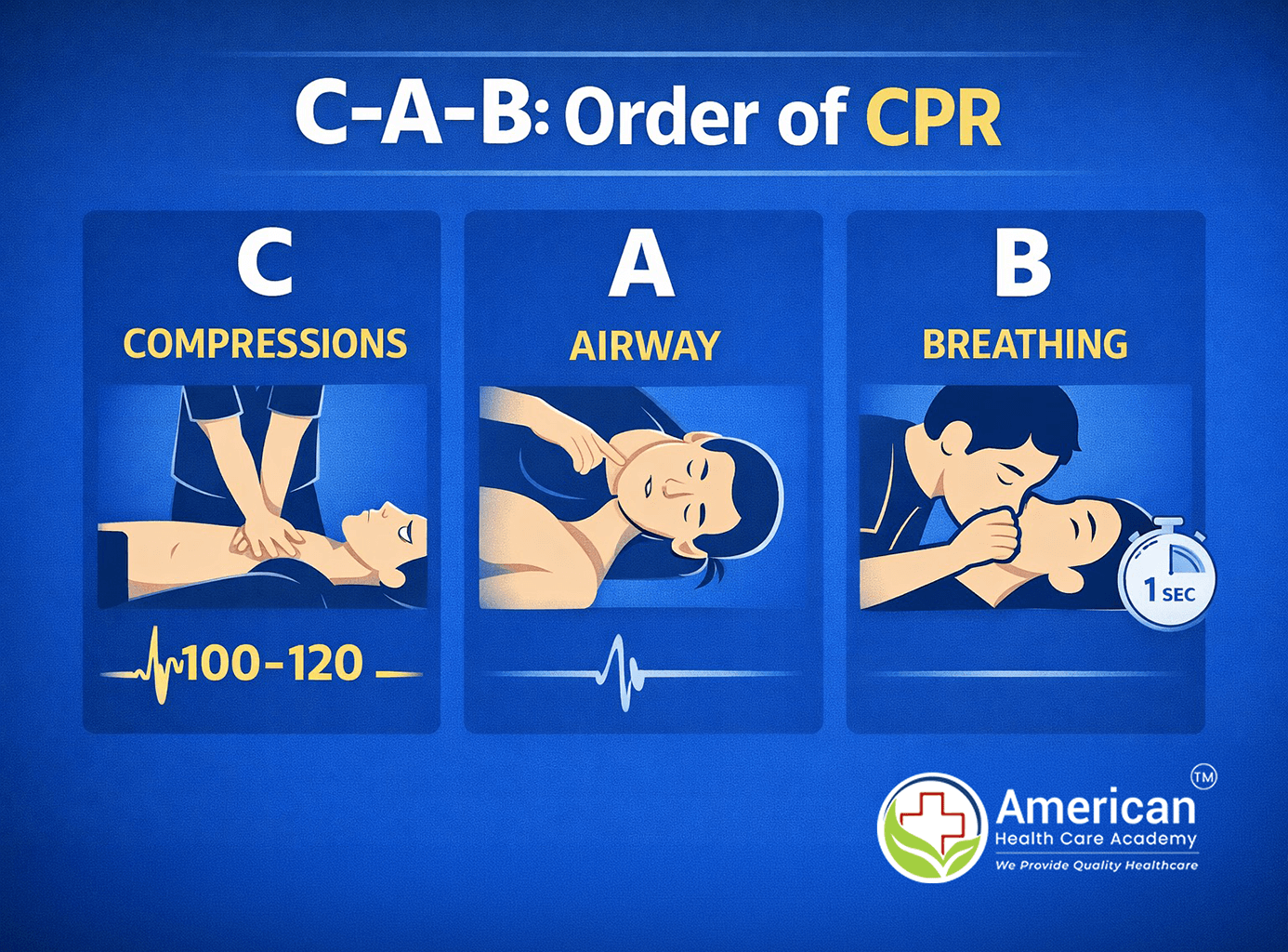
The course pages are the best place to confirm current terms for CPR and First Aid Certification, CPR Certification, and ACLS Certification. Read the relevant page immediately before enrolling because course details and card arrangements can change.
Questions to settle
Does online access mean the course is accepted?
No. Online access describes the format. The employer, licensing body, or organization requiring training determines whether the specific course and credential meet its rules. Check with that organization before enrolling.
Which option includes first aid?
The catalog names a combined CPR and First Aid Certification option. Review its current course page to confirm the included topics and whether its credential meets your requirement.
How should I compare timing?
Use the duration, chapter count, and exam-attempt details listed for the chosen course, then allow enough time before your deadline. Verify the current details on the course page and keep a record of the credential information.
Where this leaves you
For a role requiring both CPR and first aid, begin with CPR and First Aid Certification; for a CPR-only requirement, examine CPR Certification; and reserve ACLS Certification for requirements that explicitly call for ACLS. The honest limitation is that a course listing cannot confirm acceptance for your particular employer or professional body, so verify that point before enrolling.
With that requirement settled, fall is a useful moment to compare the course details and leave room in your calendar before winter schedules tighten.
